Post School Pathways was created to give young people with additional learning or support needs something many families feel is missing after school: more time to learn, grow in confidence and prepare for adult life in a practical, purposeful way.
Year 13 creates that space.
Finishing school is a major milestone, but it doesn’t always mean a young person feels ready for everything that comes next. Post School Pathways was created to bridge that gap. Year 13 gives students an extra year to discover more about themselves, build confidence in their abilities and start shaping a future that reflects their own interests, strengths and goals.
It’s not about rushing towards one particular outcome. It’s about giving young people the time, guidance and experiences they need to take their next steps with greater confidence.
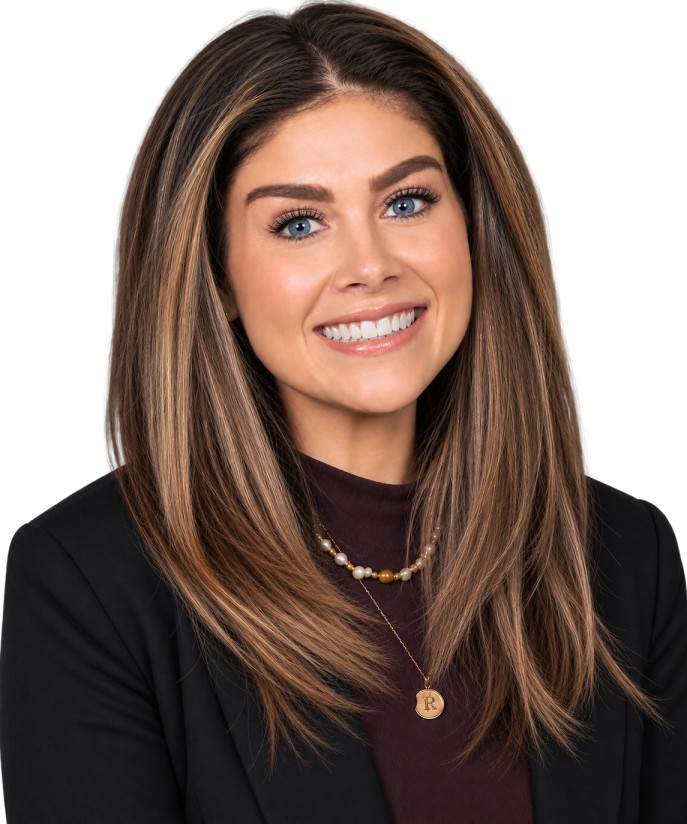
Post School Pathways was founded by Renee, a qualified secondary teacher with more than 22 years of experience in education.
Her background spans inclusive education, differentiated teaching, vocational learning, employment preparation and post-school transition. Over the years, Renee has worked alongside young people, families, schools, TAFE, employers and community organisations to help create meaningful pathways beyond school.
That experience showed her just how significant the transition into adulthood can be, especially for young people who would benefit from more time to build confidence, practise practical skills and explore what comes next.
Post School Pathways grew from that understanding: a suite of Year 13 programs designed to give young people more time to keep learning, build confidence and prepare for adult life in a way that feels purposeful, practical and personal.
Our approach starts with a simple idea: every young person learns differently.
Rather than expecting every student to follow the same path, we create opportunities for them to build on their strengths, work towards meaningful goals and experience learning in ways that make sense to them.
Learning is shaped around each student’s strengths, interests, abilities and goals.
Students are given time and guidance to participate, ask questions, practise and build confidence.
New knowledge is connected to practical situations so students can understand how it applies beyond the classroom.
Learning is connected to what comes next, whether that means work, further study, volunteering, community life or greater independence.
We believe young people learn best when they feel safe, respected and understood, and when what they are learning has a clear purpose beyond the classroom.
That means giving students opportunities to learn in ways that reflect their strengths, interests and individual pace. New skills are introduced with context, practised with guidance and connected to situations students are likely to encounter in everyday adult life.
Progress is personal. We focus on helping each student recognise what they can do, build confidence in their own abilities and keep moving towards greater independence, participation and choice.
This is grounded directly in Renee’s teaching philosophy, which describes learning as personalised, strengths-based and meaningful, with progress measured against each individual’s own development.
Every young person deserves to feel welcomed, respected, valued and part of the group.
We build practical skills that help students make more decisions, take greater responsibility and do more for themselves.
Students are encouraged to recognise their strengths, develop their voice and make informed choices about their future.
Progress looks different for everyone. We recognise each student’s strengths and celebrate meaningful progress along the way.
Positive relationships with families, workplaces, educators and the wider community can open doors to new experiences and opportunities.
Give your young person another year to learn, practise, explore and prepare for what comes after school.